Safe Educational Space project launches in 8 Ukrainian schools with funding from the Government of Germany and the European Union
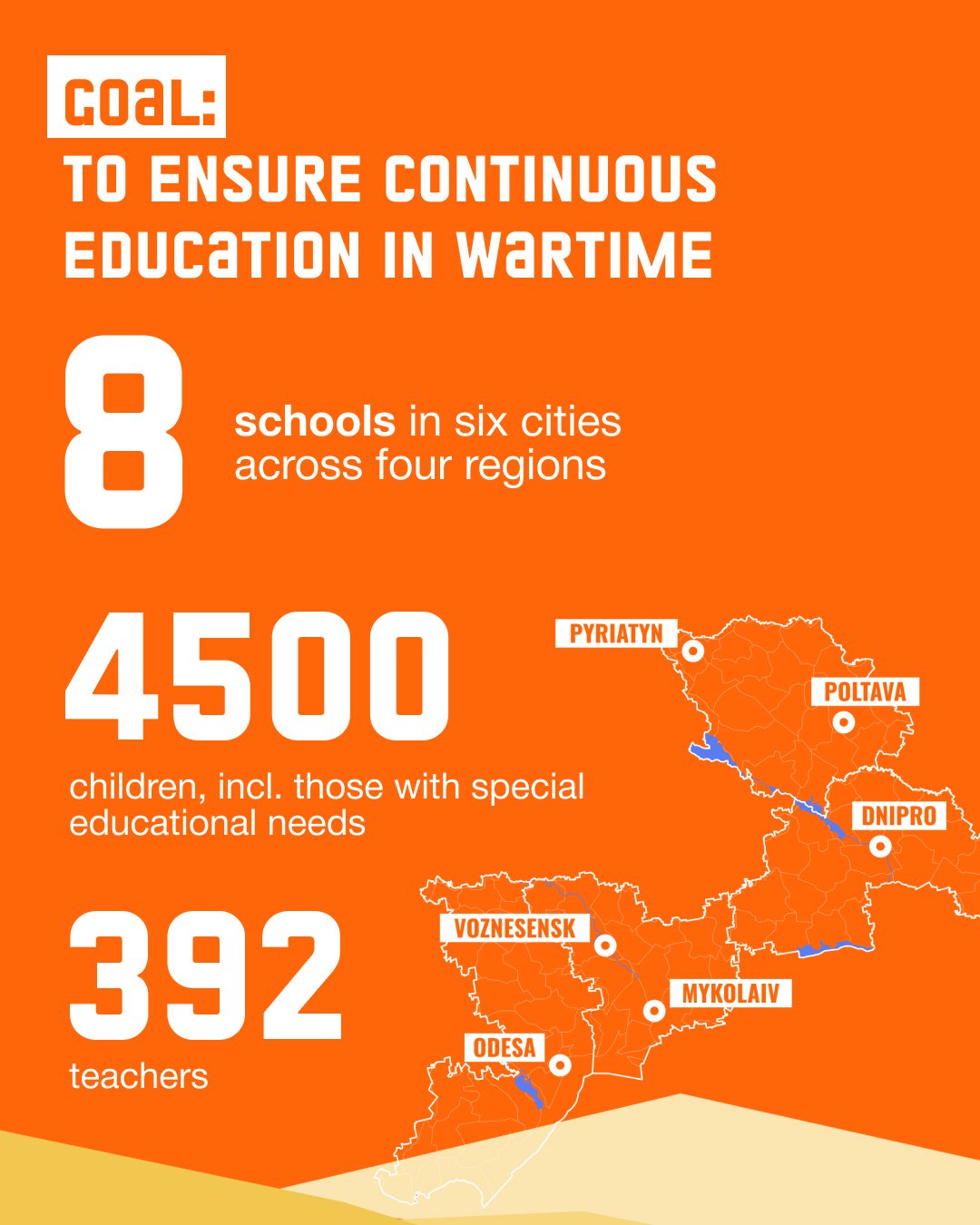
We are refurbishing shelters in 8 educational institutions in the Odesa, Mykolaiv, Dnipropetrovsk and Poltava regions and teaching children and teachers self-help skills, so that time in a shelter no longer means lost learning.
We can't switch off the siren. But we can change what awaits children in the shelter.
Brave to Rebuild is launching the Safe Educational Space project, funded by the Government of Germany and the European Union. We are refurbishing shelters in 8 educational institutions and providing psychosocial support to children and teachers, so that time spent in a shelter during air raid alerts no longer means lost learning.
“We need to bring back not just childcare down there, but move the learning process itself into the shelter.” — deputy head of an educational institution, Poltava region
Why it matters
Constant air raid alerts disrupt children's access to in-person education in many communities. Shelters in schools are often not suitable for long stays: they lack space, ventilation, sanitation, emergency exits and accessibility for children with disabilities.
“In our community, children spend more time in shelters than in classrooms.” — head of an educational institution for children with special educational needs, Dnipropetrovsk region
All 8 institutions taking part in the project lose learning time because of alerts.
“Just imagine: 10 minutes of a lesson, then an hour in the shelter, then another 10–15 minutes of the lesson, and back to the shelter again.” — head of an educational institution, Mykolaiv region
Where we work
The project covers 8 educational institutions in six cities across the Odesa, Mykolaiv, Dnipropetrovsk and Poltava regions, including regular lyceums, a special school and educational and rehabilitation centers for children with special educational needs. In total, it will reach 4,500 children and 392 teachers.
What we do in the shelters
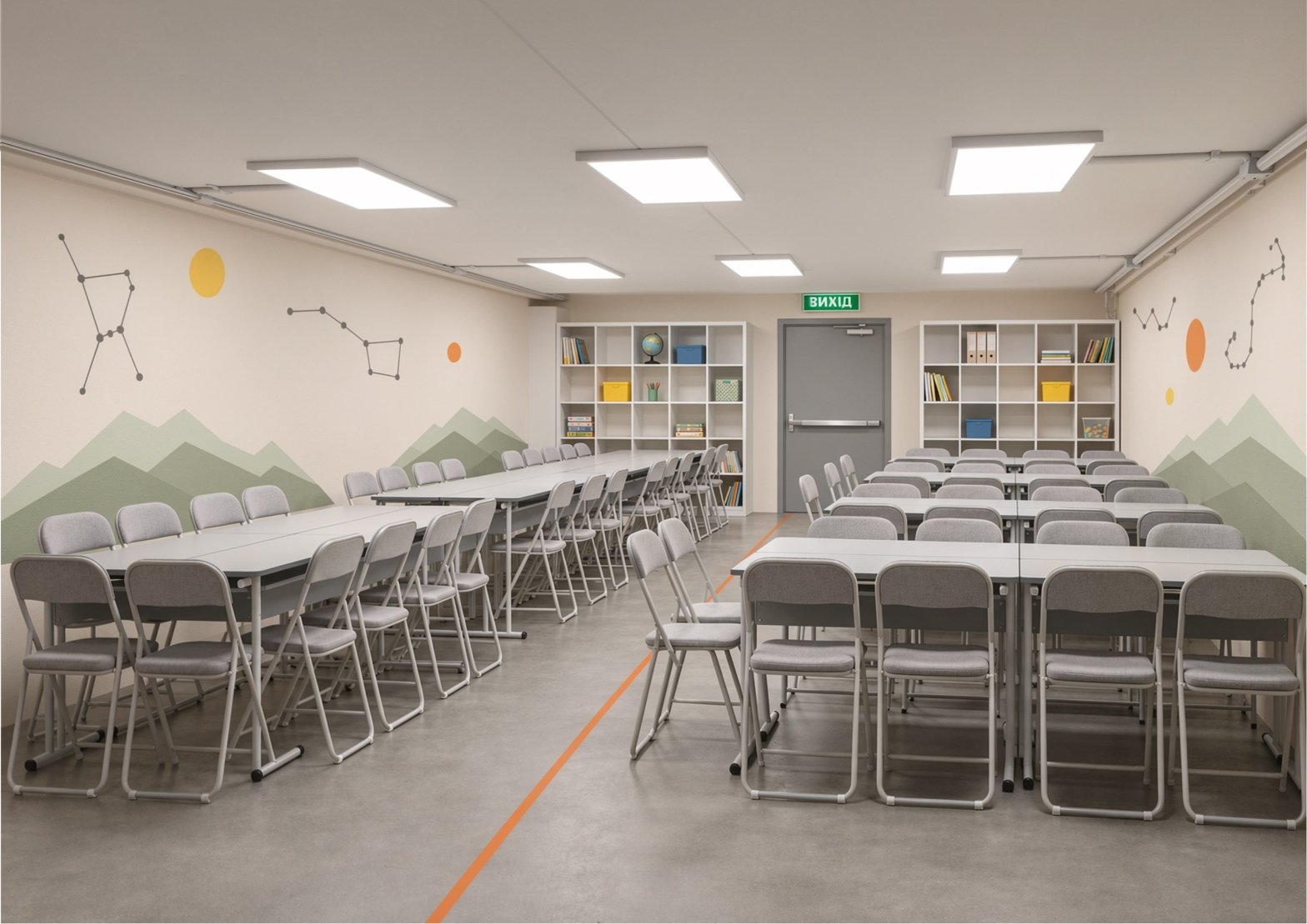
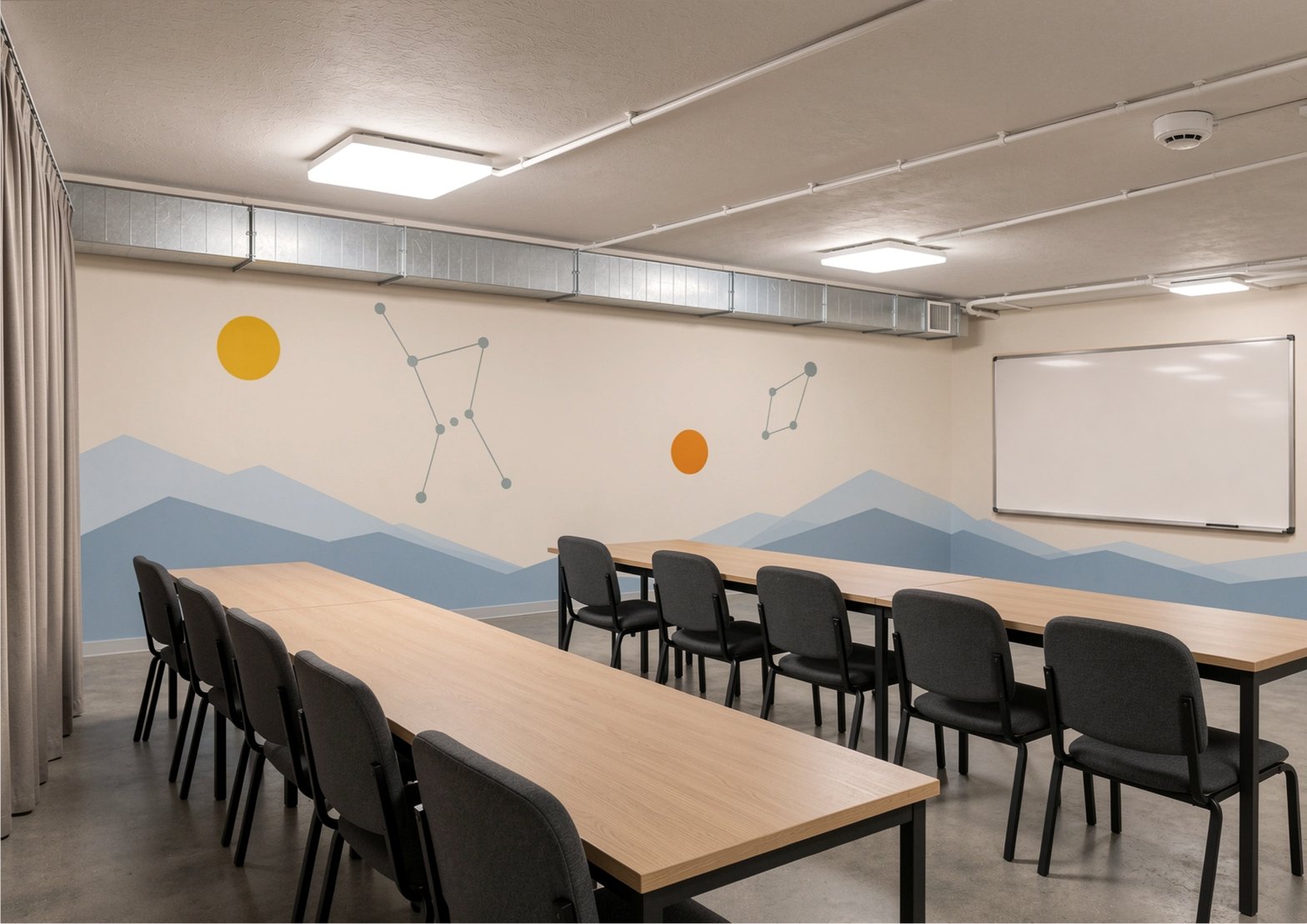
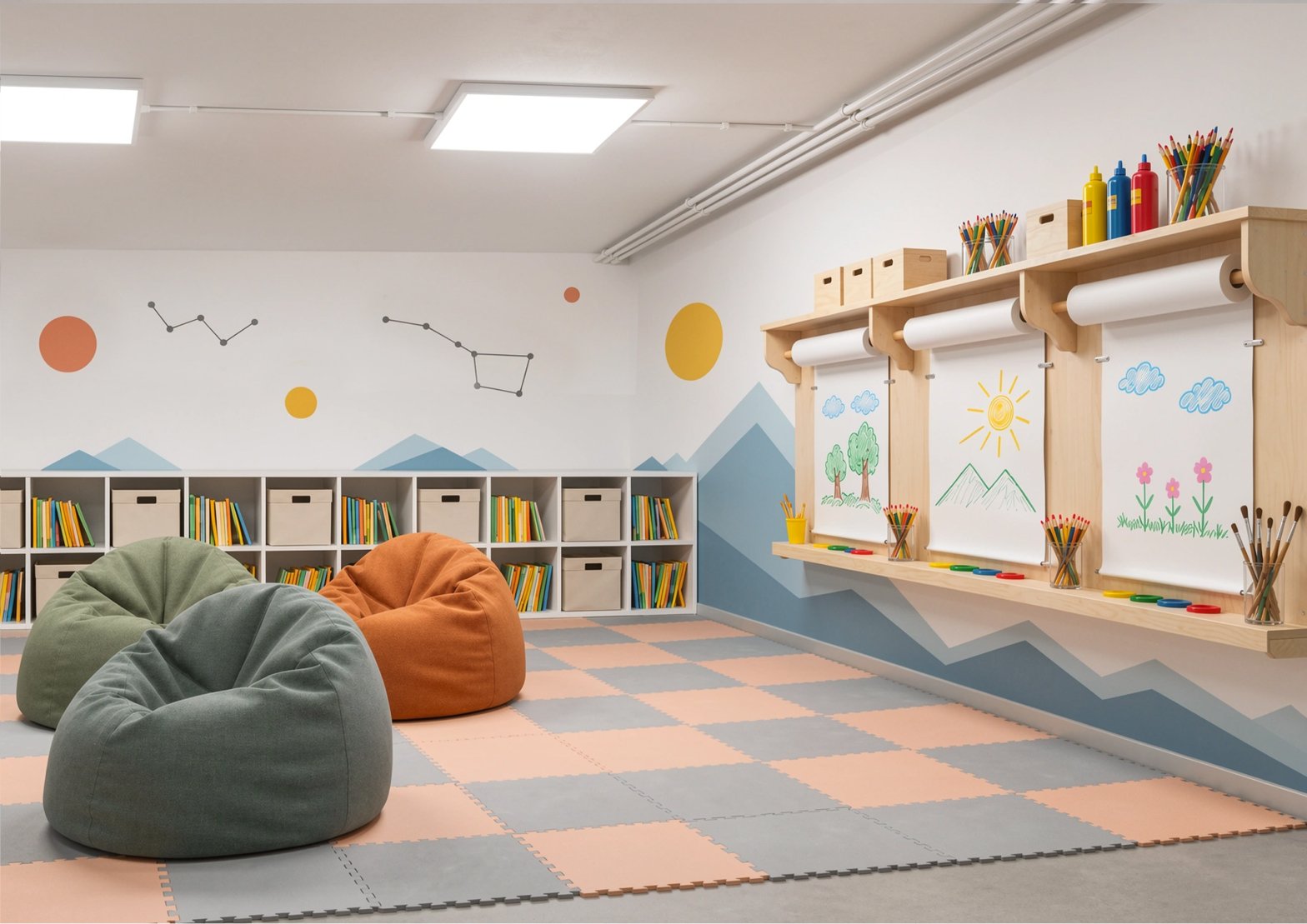
Space for lessons. We put up partitions for separate classrooms, plaster, paint and lay new flooring.
Air and heat. We install ventilation, convectors or radiators.
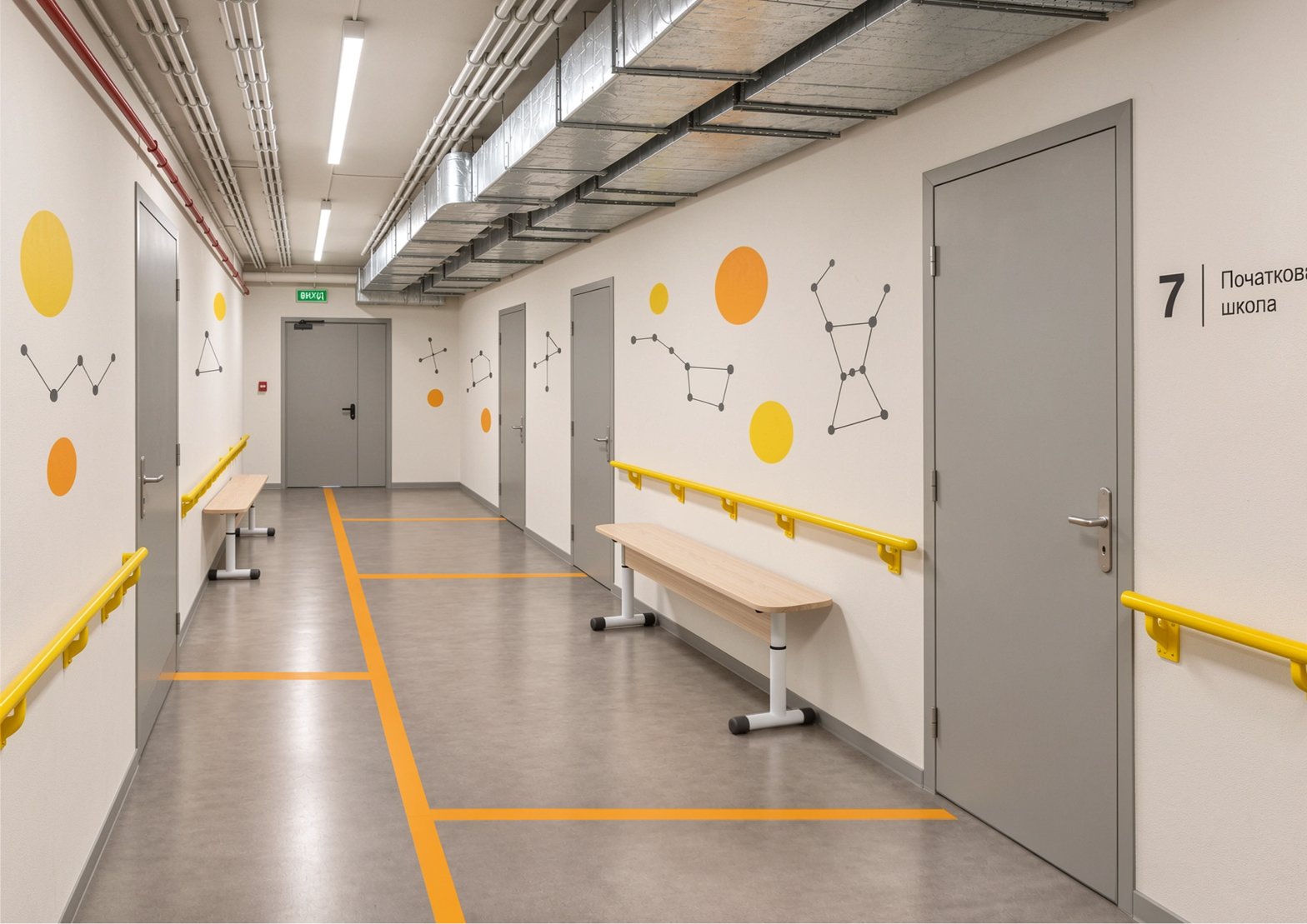
Light. We lay new wiring and install LED lighting and emergency “Exit” signs.
Water. We equip restrooms with water heaters and pumping units.
Safety. We reinforce openings, lay fire-resistant cable and install fire doors.
Accessibility. We install lifts and handrails, equip restrooms for children in wheelchairs and put up Braille signs.
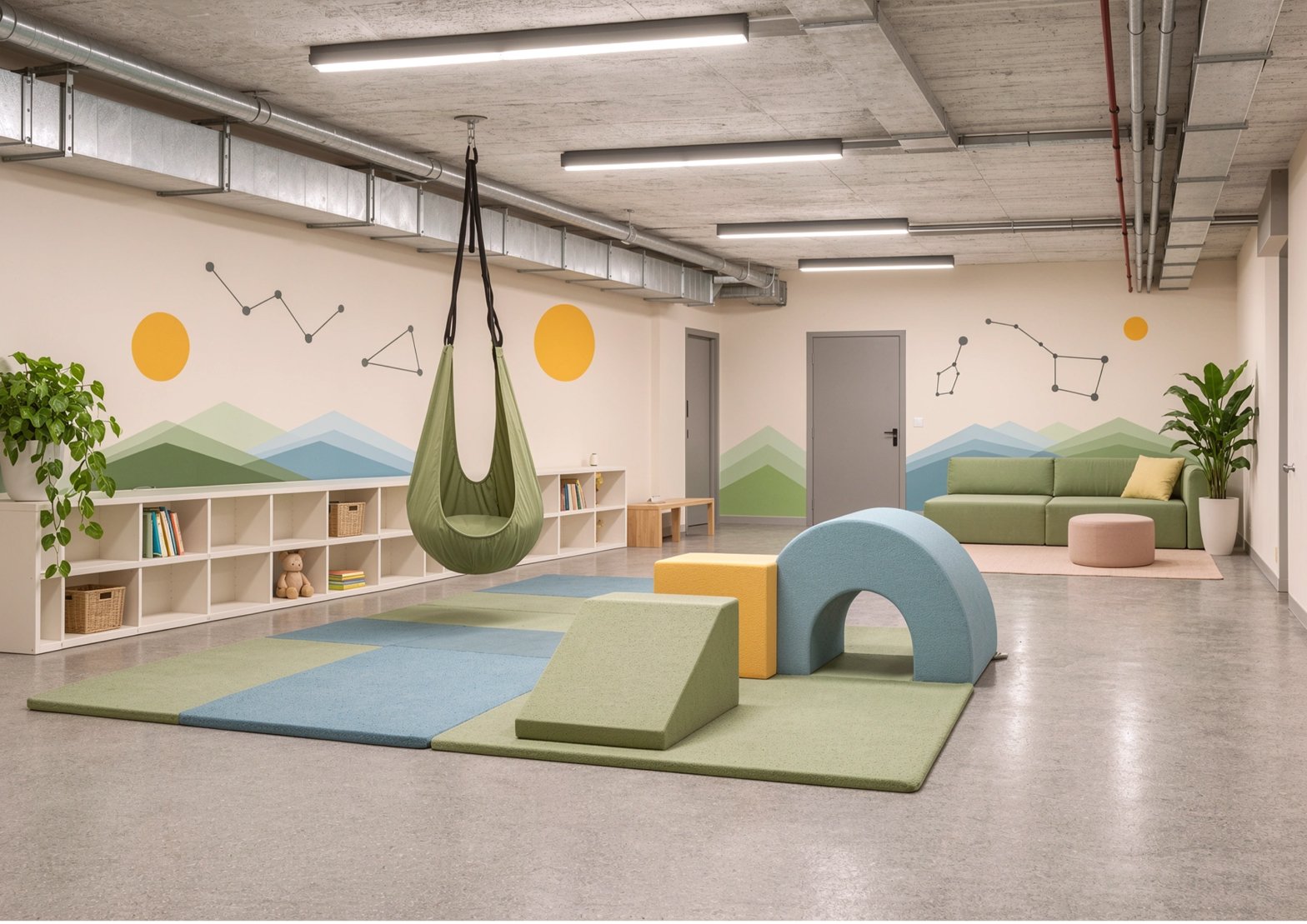
We are also decorating the shelters as a “Constellation of the Brave”. When the sky above the school becomes dangerous, we bring it down below: stars, mountains and the sun to look at and dream.
“When I teach in a regular classroom with a presentation, with pictures, and the siren goes off, I close it all. We go down to the shelter, and in front of the children there is a board, chalk and my hands.” — deputy head of an educational institution, Mykolaiv region
How we support children and teachers
The refurbishment goes hand in hand with psychosocial support. Together with psychologists, children and teachers will learn simple self-help techniques to calm down faster, relieve tension and feel safe during alerts.
Two training waves: December 2026 and February 2027. Programs are adapted for different age groups, separately for grades 1–4 and 5–8.
Separate training for teachers on how to quickly regain composure and effectively support children under stress.
An adapted methodology for children with special educational needs and the teachers who work with them.
Resource boxes with anti-stress toys that will stay in every shelter and become support tools for children during alerts.
“First of all, teachers need to learn to manage themselves. If teachers know how, children will know too. If teachers don't, children won't either.” — head of an educational institution, Poltava region
We will document the project's experience in the Teaching in Shelters Toolkit: lesson scenarios for shelters, adaptations for children with special educational needs and a short scenario for air raid alerts, so other schools can use it too.
What's next
The project runs until the end of March 2027. It is carried out by Brave to Rebuild within the EMPOWER project, funded by the German Federal Ministry for Economic Cooperation and Development (BMZ) together with the European Union and implemented by GIZ Ukraine, in partnership with local authorities.
“I really want children to walk in and say: wow, we're not scared here, we'll have things to do here.” — head of an educational institution, Mykolaiv region
Because every child deserves to see not a wall ahead, but the horizon.
The project Safe Educational Space for Ukrainian Children in War-Affected Hromadas is carried out within the multi-donor project “Strengthening Communities in War-Affected Regions in Ukraine through Localized Action (EMPOWER),” which is funded by the German Federal Ministry for Economic Cooperation and Development (BMZ) with co-financing from the Directorate-General for European Civil Protection and Humanitarian Aid Operations and implemented by Deutsche Gesellschaft für Internationale Zusammenarbeit (GIZ) GmbH.